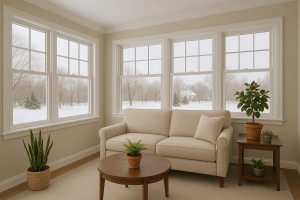
Designing a sunroom starts with one big decision, the layout. Before picking finishes or furniture, the way the space connects to your home and how it’s arranged will shape how useful it feels every day. The best sunroom layout ideas balance comfort, light, and how the room fits into your daily routine. Whether you’re creating a cozy lounge, a casual dining space, or a bright work area, the right sun room layout makes the space feel intentional instead of tacked on.
If you’re still exploring enclosure types and options, it helps to start with a quick overview of sunrooms to understand what styles and structures are available.
How to Choose the Right Sunroom Layout for How You’ll Use the Space
Before thinking about walls and windows, start with how you plan to use the room. Layout decisions should follow function, not the other way around.
If the sunroom will be a place to relax, seating should face the windows and outdoor views. Sofas, chairs, and loungers work best when grouped into conversation areas that feel natural to sit in. For dining or entertaining, layouts with open floor space make it easier to move between the sunroom and the main house. A sunroom used as a home office or reading nook benefits from quieter corners, controlled glare, and fewer walk-through paths.
Homeowners planning year-round use often benefit from layouts designed around 4 season sunrooms with insulated walls and climate control.
Popular Sunroom Layout Ideas That Work for Most Homes
Some layouts show up again and again because they work well with common home designs.
Straight wall layouts run along one exterior wall of the home. These are practical for many back-of-house additions and create a clean transition from indoor living spaces. Corner layouts wrap around two exterior walls and bring in light from multiple directions, which often makes the room feel brighter and more open. Protruding layouts extend outward and can create a more defined room that feels closer to a true addition.
For seasonal use, layouts paired with 3 season sunrooms are often a good fit for spring through fall comfort without full insulation.
Planning a Sunroom Furniture Layout That Feels Comfortable
Furniture placement plays a huge role in whether a sunroom feels inviting or awkward. A good sunroom furniture layout keeps walkways clear, leaves breathing room around seating, and avoids blocking windows with bulky pieces. Low-profile furniture works well in bright rooms because it preserves sightlines and natural light.
For social spaces, group seating around a central coffee table or rug to define the zone. In narrow rooms, placing furniture along one side can help maintain flow. When planning a sun room furniture layout, think about where people will enter the space and how they will move through it so the room never feels cramped.
In more open layouts, sliding or folding doors can also shape furniture placement and traffic patterns. Some homeowners incorporate wide openings using bi-fold patio doors to blend indoor and outdoor zones.
Small Sunroom Layout Tips to Maximize Space
A small sunroom layout benefits from simple choices that keep the room open. Lighter furniture, fewer large pieces, and flexible seating can make compact rooms feel larger than they are. Built-in benches or slim chairs work well in narrow layouts, while glass tables and open-frame furniture help maintain visual space.
In smaller rooms, screened enclosures are often a practical way to extend usable space without heavy framing. Compact layouts pair well with screen rooms when the goal is light, airflow, and seasonal comfort.
Sun Porch Furniture Layout Ideas for Everyday Use++
Sun porches often feel more casual than enclosed sunrooms, but layout still matters. A sun porch furniture layout prioritizes comfort and easy movement between seating and exterior doors. Weather-friendly materials and flexible furniture make it easier to adapt the space for different seasons.
Railings and boundary features can help define zones without closing off the view. Some porch layouts benefit from clean, low-visual-profile outdoor railing systems to frame the space while keeping sightlines open.
How Orientation and Flow Affect Your Sun Room Layout
Where the sunroom sits on your home affects light, warmth, and daily use. South-facing layouts bring in steady sunlight throughout the day, while east-facing rooms feel softer in the morning. West-facing rooms can be bright later in the day, which may require planning for shade or glare control.
Flow matters too. The best sun room layout connects naturally to high-use areas of the home like the kitchen or living room. When the sunroom feels like a natural extension of daily traffic patterns, it gets used more often.
Common Layout Mistakes to Avoid
Many layout problems come from trying to fit too much into one space. Blocking walkways with furniture, placing large pieces directly in front of windows, or ignoring door swing paths can make even a well-built sunroom feel awkward. Another common issue is not planning for how the room will be used across seasons. Layouts that feel great in spring may feel crowded once furniture and decor change for cooler months.
Final Thoughts on Choosing the Best Sunroom Layout
The best layout is the one that fits your home and how you live in it. Sunroom layout ideas work best when they start with function, flow, and light, then layer in furniture and design choices. When the layout feels natural, the sunroom becomes part of your everyday life rather than a space that only gets used once in a while.
Sunroom Layout FAQs: Planning, Costs, and Furniture Placement
What is the best sunroom layout for small spaces?
A simple layout with light furniture and clear walkways works best for small sunrooms. Focusing on one main use, such as seating or a reading area, keeps the space from feeling crowded.
How should I arrange furniture in a sunroom?
Start by keeping main walkways open. Group seating into clear zones and avoid blocking windows with tall or bulky furniture. Low-profile pieces help maintain light and views.
Does sunroom orientation affect the layout?
Yes. South-facing sunrooms get more consistent light, while east-facing rooms feel brighter in the morning. Layout choices should account for glare, heat, and how the light changes during the day.
Can I change my sunroom layout later?
Furniture layouts are easy to adjust, but structural layout changes are more complex. Planning the layout carefully at the start helps avoid costly changes later.
Is a straight wall layout better than a corner layout?
Neither is better in every case. Straight wall layouts are simpler and fit many homes, while corner layouts bring in more light and openness. The right choice depends on your home’s structure and how you plan to use the room.